Asian stocks experienced a significant decline on Monday, driven by an intensified sell-off in the technology sector amid rising apprehensions regarding the durability of the AI surge and the likelihood of accelerated tightening by the Federal Reserve. U.S. Treasury bond futures declined during Asian trading hours, while the Japanese yen experienced a depreciation as the appetite for safe-haven assets diminished. The U.S. dollar experienced a decline from a 19-month peak following a cautionary statement from U.S. Treasury Secretary Scott Bessent, who indicated that the U.S. central bank may jeopardise the world’s largest economy through excessive policy tightening.
Gold surged over 2 percent to $3,625 an ounce following its most significant weekly drop since the pandemic. The U.S. PCE inflation report is scheduled for release on Wednesday, following last week’s unexpectedly high October inflation figures. Economists anticipate that the Fed’s favoured inflation measure will have increased by 3.8 percent in October compared to the same month last year. The core PCE inflation is projected to rise to 3.2 percent. According to CME Group’s FedWatch tool, the probability of a 25-bps rate hike at the Federal Reserve’s upcoming meeting in December is currently assessed at 95 percent.
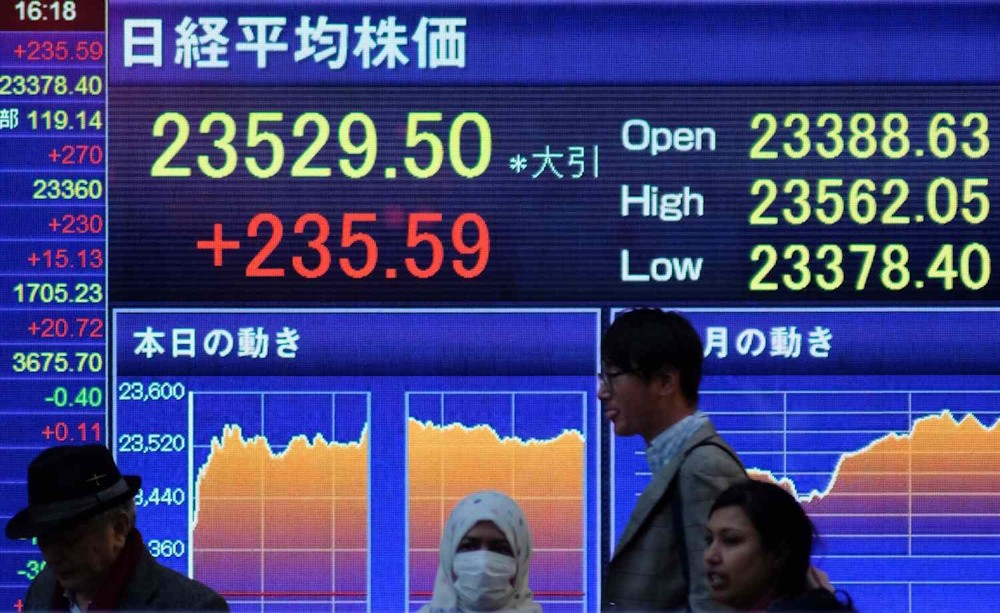
Brent crude futures fell to approximately $92 a barrel following three consecutive weeks of declines, driven by anticipations of increasing global supply. Japanese markets were closed in observance of Labour Thanksgiving Day. China’s Shanghai Composite index increased by 0.15 percent to 3,538.95, rebounding from earlier declines following announcements from three stock exchanges regarding the relaxation of minimum margin requirements for investors utilising borrowed funds to purchase stocks. Hong Kong’s Hang Seng index recovered from initial declines to conclude slightly lower at 22,383.74.
Seoul stocks experienced a significant decline, furthering the sell-off observed in the previous week, as apprehensions surrounding AI escalated. Samsung Electronics experienced a decline of 3.1 percent, while SK Hynix saw a decrease of 2.5 percent. The Kospi index concluded the trading session down 3.31 percent at 4,708.54, following a decline to a low of 4,586.80 earlier in the day. Selling pressure diminished in the afternoon as reports emerged indicating that financial regulators are initiating preparations to utilise a 10.76 trillion won fund, which has remained dormant since the global financial crisis of 2008, for the purchase of KOSPI 200 stocks. Additionally, the Financial Services Commission has sanctioned a three-month relaxation of daily share buyback order limits for publicly traded companies.
Australian markets concluded the day with a modest decline following a report indicating a slowdown in the nation’s manufacturing activity for November. The benchmark S&P/ASX 200 experienced a decline of 0.26 percent, settling at 8,570.60. The broader All Ordinaries index experienced a decline of 0.25 percent, settling at 8,671. Mining and gold stocks experienced a rebound, providing a counterbalance to significant declines in the banking sector in anticipation of Wednesday’s October inflation report. Across the Tasman, New Zealand’s benchmark index experienced a decline of 2.67 percent, settling at 13,730.53. This movement followed a tech-led sell-off observed in the U.S. and Europe on Friday.
U.S. stocks experienced a decline on Friday, driven by a significant sell-off in AI and semiconductor shares amid concerns regarding the sustainability of the AI investment surge. Concerns regarding inflation have continued to unsettle investors, particularly following remarks from Federal Reserve Governor Lisa Cook, who indicated that the Fed’s existing policy measures are insufficient to combat the inflationary pressures that are increasingly permeating various sectors of the economy. The S&P 500 and the Dow experienced declines of 3.7 percent and 1.9 percent, respectively, marking their most significant weekly percentage losses since April 2025 and entering correction territory. The Nasdaq Composite plummeted 5.3 percent, marking its largest weekly drop since March 2020 and erasing all of its 2026 gains.