
On Monday, Asian market experienced a significant increase, reaching their highest levels in six weeks. Concurrently, the U.S. dollar hovered near a nearly three-month low, driven by expectations that the Federal Reserve may reduce interest rates next year. This outlook has also contributed to a robust rally in precious metals. Silver experienced a significant increase, surpassing $80 per ounce for the first time amid volatile trading on Monday. In contrast, platinum and palladium saw a notable decline after achieving all-time highs. Gold experienced a decline of 0.45 percent; however, it has consistently surpassed record levels throughout the year, positioning itself for its most significant annual increase since 1979, with a rise exceeding 72 percent.
Geopolitical concerns have resurfaced for investors following U.S. President Donald Trump’s constructive discussions with Ukrainian President Volodymyr Zelenskiy, despite the absence of a peace agreement for Ukraine. In the Asian stock market, MSCI’s broadest index of Asia-Pacific shares increased by 0.33 percent, marking a robust beginning to the final week of the year. In 2025, a majority of Asian markets have recorded double-digit gains, as investors have chosen to overlook Trump’s tariff threats and concentrate on opportunities within the AI sector.
South Korea’s Kospi increased by 2.20 percent, reaching a near two-month high and marking a remarkable yearly gain of 75 percent, positioning itself for its strongest annual performance since 1999. Meanwhile, Japan’s Nikkei experienced a decline of 0.44 percent but is on track for an approximate 27 percent increase this year. In contrast, the Taiwan Weighted Index advanced by 1 percent, reaching a record high and is positioned for a 25 percent annual growth.
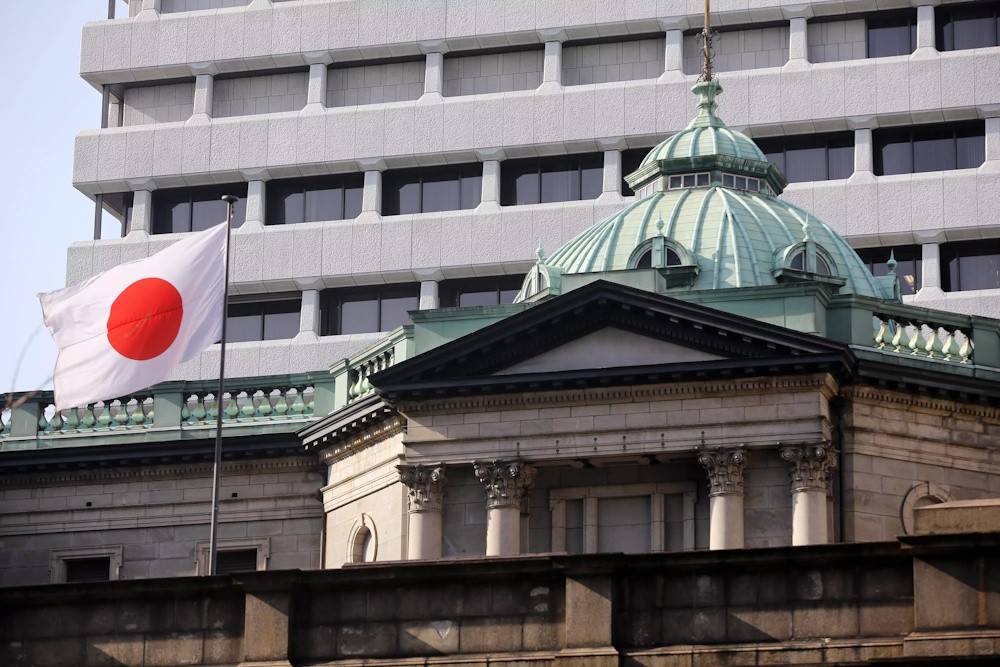
The positive sentiment is anticipated to extend into Europe as stock markets resume operations following the Christmas and Boxing Day holidays, with futures suggesting a higher opening. Meanwhile, the Japanese yen appreciated by 0.2 percent to 156.13 per U.S. dollar on Monday, in response to a somewhat hawkish summary of opinions from the Bank of Japan’s December policy meeting. The report revealed that numerous board members recognized the necessity for additional hikes to the BOJ’s policy rate.