
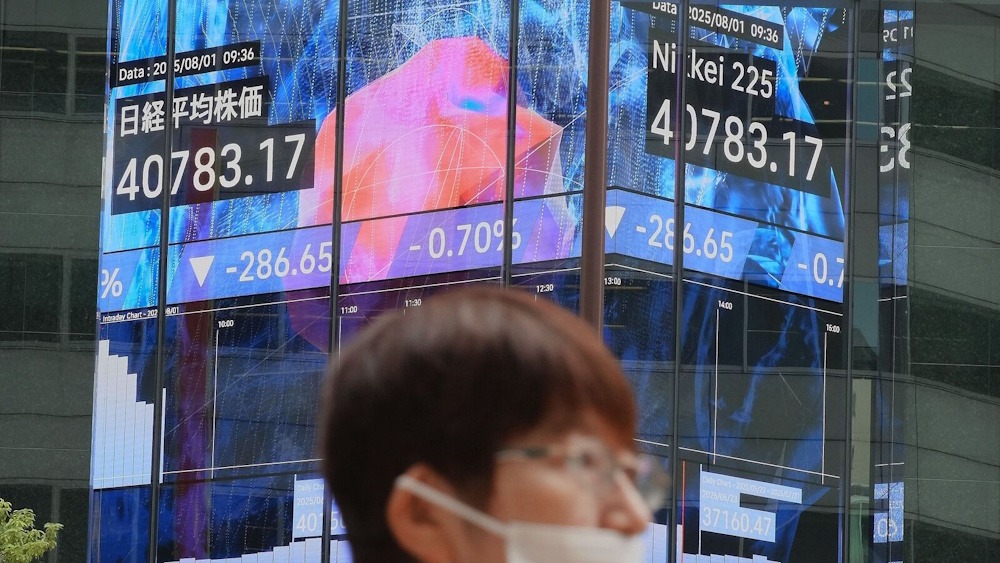
Japan’s Nikkei share average experienced a decline exceeding 5% on Friday, driven by significant losses in heavyweight technology stocks. This downturn was fuelled by concerns regarding stricter regulations and a possible deceleration in AI-related expenditures, particularly in the wake of the Democrats’ success in the US midterm elections. The selloff mirrored significant overnight declines on Wall Street, where the S&P 500 and Nasdaq Composite experienced their most pronounced daily drops since April 2025.
Friday’s decline continued a downturn in Japanese chipmakers and AI-related stocks that commenced on Wednesday with the release of election results. The tech-heavy Nikkei experienced a decline of 5.3%, reaching 57,858.61 at the midday break, positioning itself for its most significant downturn in eight months. The selloff was widespread, with 221 of the index’s 225 components experiencing declines, while three saw increases and one remained unchanged. The broader Topix experienced a decline of 5.4%, with all 33 industry sectors registering losses. However, the markets exhibited resilience, recovering from session lows.
The Nikkei experienced a decline of as much as 7.1% at one point. The Nikkei’s most significant detractors were the once-favored participants in the AI sector, as startup investor SoftBank Group experienced a decline of 9.3%, while chip-testing equipment manufacturer Advantest fell by 4.6%. “Going forward, there’s potential for continued volatility as concerns resurface from time to time over issues such as delays in AI data-center construction and AI development, as well as rising costs that could cast doubt on AI companies’ profitability,” said Maki Sawada.
“Rather than seeing an across-the-board rise in AI-related stocks as has been the story until now, the market is likely to take a more selective, stock-by-stock approach.” A measure of Nikkei volatility increased to its highest level since March 31 on Friday. The benchmark index has declined each day this week and is poised for a weekly loss of 8.6%, marking its most significant downturn since March of the previous year.
