
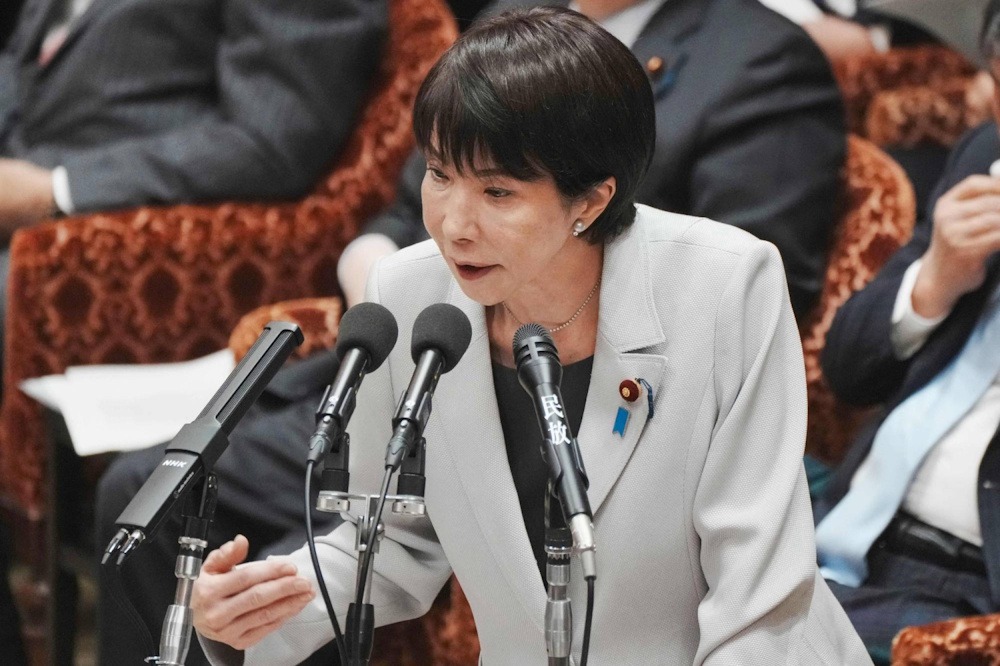
A yen approaching 160 to the dollar, unprecedented levels in Japanese equities, and rising yields on Japanese government bonds may be forthcoming following Prime Minister Sanae Takaichi’s decisive victory in the recent snap election on Sunday. Takaichi guided the ruling Liberal Democratic Party to a supermajority in the Lower House, achieving 316 seats in the party’s most significant electoral triumph since World War Two. The outcome empowers her to annul any legislative veto from the Upper House, thereby enhancing her capacity to advance her agenda within Japan’s legislature. Experts indicated that her victory will catalyze a resurgence of the so-called “Takaichi trade,” which generally encompasses a depreciating yen, increasing equities, and elevated long-term Japanese government bond yields. The trend indicates Takaichi’s accommodative approach to monetary policy and anticipations of increased fiscal stimulus. Some preliminary indicators of these became apparent on Monday. The benchmark Nikkei 225 surged beyond the 57,000 threshold, reaching a record high, while the broader Topix ascended to an unprecedented peak of 3,825.67, surpassing the pre-election expectations set by Citi analysts.
“The strong LDP win is warming the hearts of investors,” stated Frederic Neumann. “Equities, in particular, are responding positively to the unexpected election outcome, re-engaging with the ‘Takaichi-trade.” Neumann added “The hope is that the strong majority will provide the LDP with greater flexibility in implementing growth-oriented policies.” This sentiment is reflected in the remarks of Adrian Wong, global market strategist at J.P. Morgan Asset Management, who indicated that the victory would prompt proactive fiscal measures, including the two-year consumption tax cut, aimed at boosting corporate investment and implementing aggressive corporate reforms. However, while a consensus among analysts points to a positive impact on equities, some caution that increased spending may exert pressure on bonds and elevate bond yields. The yield on the 10-year Japanese government bond increased by 4 basis points, reaching 2.27% on Monday. Prior to the election, Takaichi unveiled a historic budget of 122 trillion yen for the financial year commencing on April 1, signifying a consecutive year of unprecedented expenditure.
Japan holds the distinction of being the most indebted nation globally, exhibiting a debt-to-GDP ratio nearing 230% in 2025, as reported by the International Monetary Fund. Takaichi informed national broadcaster NHK following the election that she was advocating for “a shift in economic and fiscal policy and a ’responsible, proactive fiscal policy.″ She added “We will advance in areas where feasible, and will seek collaboration from opposition parties in sectors where their support can be secured.” Carlos Casanova, senior economist for Asia at Swiss private bank UBP, anticipates that the 10-year yield will attain 2.5%, with the majority of the pressure focused on the ultra-long end of the yield curve. Some exhibited a more prudent approach. Sree Kochugovindan of Aberdeen Investments remarked that the LDP landslide does not grant Takaichi “free rein to just spend.”
“The LDP maintains a fiscally conservative stance, and Takaichi has demonstrated considerable awareness of the concerns of bond investors,” the senior research economist remarked. Japan’s debt-to-GDP ratio has experienced a decline since the pandemic, he stated, and Takaichi’s most recent fiscal and economic package is expected to maintain this downward trajectory. Takaichi indicated that the volume of newly issued government bonds is projected to reach 29.6 trillion yen, representing the second consecutive year in which issuance stays below 30 trillion yen. In a surprising development, the yen appreciated by 0.4%, reaching a level of 156.55 against the dollar following Takaichi’s electoral victory. Michael Wan noted in a report on Monday that the recent movement likely indicates Takaichi’s ongoing dedication to fiscal sustainability in her remarks following the election, alongside statements from Finance Minister Satsuki Katayama endorsing yen stability, in collaboration with U.S. authorities. Katayama reportedly stated that she would engage with financial markets on Monday if necessary, subsequent to Takaichi’s victory.
The yen neared the 160 threshold against the dollar earlier this year, subsequently experiencing a notable strengthening in late January, fueled by speculation regarding the New York Federal Reserve’s engagement in “rate checks” on the yen, which is frequently interpreted as an indication of potential intervention. U.S. Treasury Secretary Scott Bessent subsequently refuted claims of U.S. intervention. Katayama early Monday did not dismiss the possibility of taking action against “rapid movements out of line with fundamentals,” indicating that such measures could encompass intervention in the currency market. For analysts, 160 yen to the greenback appears to be the critical threshold, with Citi analysts indicating that the yen is unlikely to depreciate significantly beyond that point, considering the potential for forex intervention by Japanese or U.S. authorities. “The yen will approach the 160 level once more, but there will likely be a struggle between the market and the authorities near the 159 mark,” Dutch bank stated in a Feb. 9 note.