
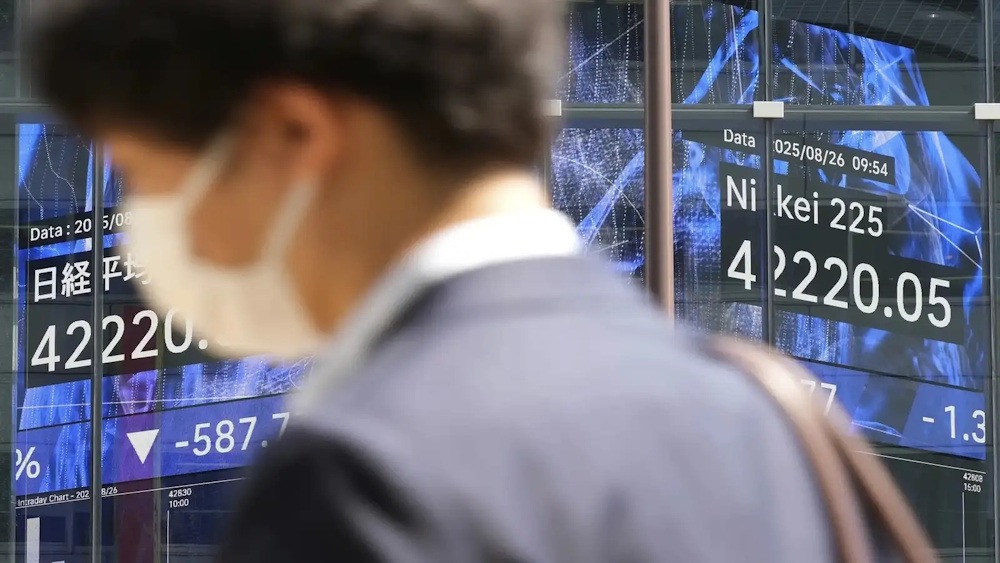
Japan’s benchmark Nikkei index experienced a significant surge on Friday, increasing by 4% as investor sentiment was bolstered following robust earnings guidance from Microsoft, which alleviated worries regarding substantial expenditures on artificial intelligence infrastructure. According to source, optimism surrounding global technology stocks has led to widespread purchasing activity in Japanese equities. The Nikkei concluded the session with a 4% increase, reaching 64,362.02, after experiencing an intraday surge of up to 5.7%. The broader Topix index also advanced 1.83%, reflecting gains across several sectors. Technology stocks spearheaded the rally, reflecting the overnight gains observed on Wall Street. Source reported that Microsoft’s stronger-than-expected sales and cloud computing forecast reassured investors that demand for AI-related services remains robust, contributing to a significant increase in technology shares worldwide. The S&P 500 rose 1.7% overnight, while the Nasdaq Composite gained 2.8%.
Japanese AI-related companies recorded some of the most significant increases. Chip-testing equipment maker Advantest experienced a notable increase of over 16%, while SoftBank Group, a significant investor in AI-focused startups, saw a rise of nearly 14% as investors sought greater exposure to the sector. The Bank of Japan’s policy decision exhibited minimal enduring influence on market sentiment. As widely anticipated, the central bank opted to leave interest rates steady while reaffirming its commitment to a gradual tightening of monetary policy in light of ongoing inflationary pressures. Investors predominantly concentrated on the global technology rally, showing less concern for domestic monetary policy developments. Analysts noted that the robust performance of US technology stocks bolstered confidence in the sustainability of AI-driven investments, delivering a considerable uplift to Japanese semiconductor and technology firms.
Currency movements exerted a varied influence on the market. Japan’s intervention to support the yen on Thursday, which drove the currency sharply higher against the US dollar, had a limited impact on the broader equity market. However, exporters, particularly automakers, faced pressure as a stronger yen diminishes the value of overseas earnings when converted back into Japanese currency. Toyota Motor experienced a decline of 1.9%, whereas Honda Motor saw a decrease of 2.7%. This positions automakers as some of the weaker performers, even in the context of a broader market rally. Corporate earnings additionally impacted trading activities. Sony Group rebounded from initial declines to increase by as much as 4.1% following the release of its quarterly financial results during the trading session.
However, the gains dissipated by the close, with the stock concluding 0.6% lower. Panasonic distinguished itself as one of the day’s most robust performers, climbing 19.5% to its daily limit following an upward revision of its profit outlook the previous day, thereby enhancing investor confidence in the earnings potential of the electronics manufacturer. The strong finish capped a session characterised by renewed optimism surrounding AI-related growth, with Japanese technology shares reaping the benefits of an enhanced global risk appetite and solid expectations for ongoing investment in artificial intelligence, as reported.
