
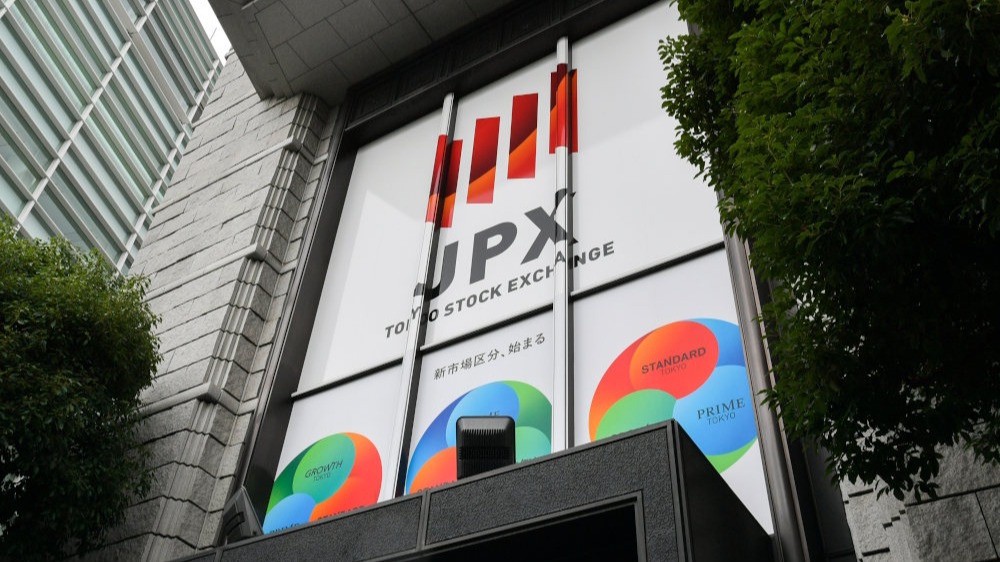
Japanese shares experienced a decline on Wednesday, primarily driven by decreases in AI-related stocks, as investors took the opportunity to realise profits following the recent rapid rally. The Nikkei declined by 0.92%, closing at 70,035.71. The index surpassed the 70,000 threshold this week for the first time in three months, reflecting an increase of nearly 5% this month. The broader Topix declined by 0.7%, settling at 4,154.11. “At the beginning of Japan’s fiscal half, institutional investors tend to sell stocks to book profits,” said Taka Ikeda. “The move is noticeable in the current session after sharp gains in the market,” he said.
Chip-testing equipment maker Advances experienced a decline of 1.34% following its achievement of a record high on Monday. Chip-making equipment manufacturer Tokyo Electron experienced a decline of 2.38%. Memory chip manufacturer Kioxia experienced a decline of 4.46%. Gains in US shares were insufficient to elevate Japanese shares, Ikeda stated. US stocks concluded the trading session with gains as crude oil prices stabilised and US Treasury yields moderated, providing a welcome relief from the anxieties that have dominated investor sentiment in recent weeks.
This shift in focus has enabled markets to redirect their attention toward the upcoming third-quarter reporting season. Nasdaq futures experienced a decline of 0.8% during Asian trading hours, whereas S&P futures remained unchanged, exerting downward pressure on Japanese equities. Fast Retailing, the owner of the Uniqlo brand, relinquished its initial gains, concluding the trading session down by 1.07%. Bucking the trend, technology investor SoftBank Group increased by 0.24%.
Kirin Holdings experienced a decline of 1.44% following a report indicating that Japan’s Fair Trade Commission had executed a raid on four prominent beer manufacturers amid allegations of anti-monopoly law violations. Asahi Group Holdings experienced a decline of 0.97%. Among the over 1,500 stocks listed on the Tokyo Stock Exchange’s prime market, 62% experienced declines, 33% saw increases, and 3% remained unchanged.
