
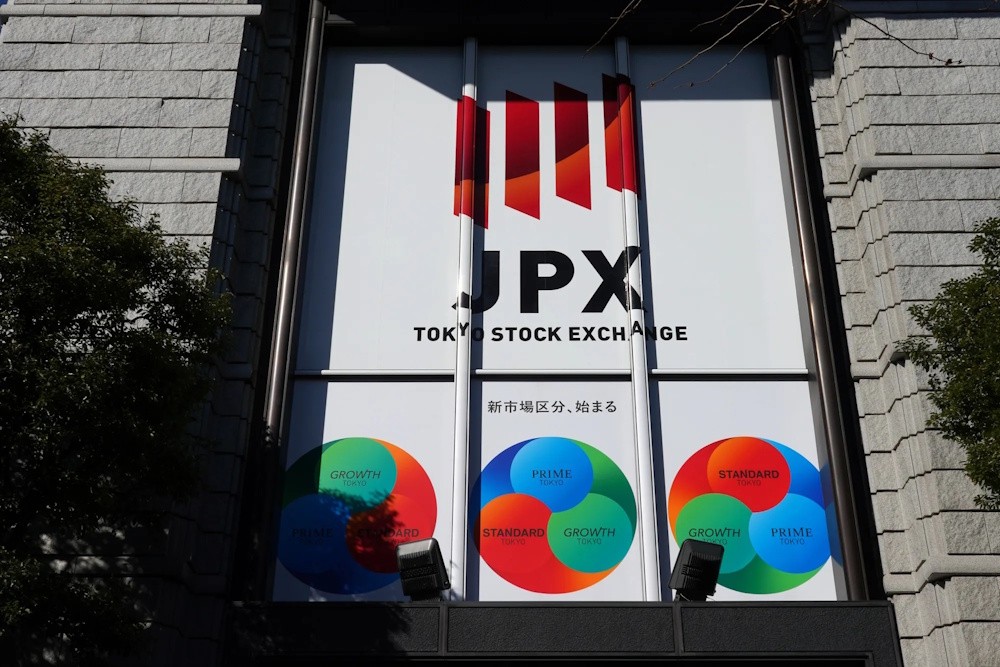
Japanese shares experienced a significant decline on Tuesday, driven by a resurgence of geopolitical tensions that negatively impacted risk sentiment. Additionally, a sudden appreciation of the yen exerted pressure on exporters. The benchmark index slid 1.7% to close at 65,269.33. The broader Topix declined by 1.83%, settling at 4,050.33.
Iran has intensified its threats toward the United States, claiming to have launched an advanced missile at U.S. warships, which has contributed to oil prices remaining close to multi-week highs. With inflation pressures mounting, markets are pricing in a near-certain Bank of Japan rate hike to 1.25% next week.
The prospect of tighter monetary policy has bolstered the yen, which appreciated to 152.89 per dollar, marking its highest level since February. “It appears as though the run-up in oil prices is impacting Japanese shares,” said Maki Sawada. “This appreciation of the yen is also weighing on the market.” In the movements observed within the Topix sectors, glass manufacturers and transportation equipment emerged as the most significant underperformers, declining by 4.44% and 4.14%, respectively. In the Nikkei 225, the number of decliners surpassed that of advancers, with 165 stocks experiencing a decline, 59 stocks registering an increase, and one stock remaining unchanged.
JTEKT experienced a significant decline, falling 8.68%, marking its steepest one-day decrease since August 2024. Alps Alpine experienced a decline of 8.29%, whereas Okuma saw a decrease of 7.99%. The largest percentage gainer in the index was Nitori Holdings, which benefits from a stronger yen as it manufactures most of its household goods overseas for sale in Japan. It experienced a surge of 5.47%, achieving its highest closing level since February.
