
In January, Japanese exports experienced a notable increase of 16.8% year on year, significantly surpassing market expectations and achieving their highest growth rate since November 2022, driven by a surge in shipments to Asia and Western Europe, according to government data released on Wednesday. Growth exceeded December’s 5.1% and surpassed the estimates of 12% from Reuters-polled economists. The value of exports to China, Japan’s largest trading partner, surged by 32%, following a 5.6% increase in December, amid a diplomatic standoff between the two nations concerning Prime Minister Sanae Takaichi’s remarks on Taiwan. Shipments to the U.S. experienced a decline of 5%, following a decrease of 11.1% in December. Washington ranks as Japan’s second largest trading partner. Regionally, a substantial increase of nearly 26% in shipments to Asia and an excess of 25% to Western Europe contributed to a robust acceleration in export growth, effectively counterbalancing the 3.3% decrease observed in North America. Food, machinery, and electrical machinery — which encompasses chips — experienced the most significant growth, increasing by 31.3%, 14.3%, and 27.3%, respectively. Transport equipment, accounting for more than 20% of exports, experienced an increase of 0.8%. The segment encompassing automobiles and auto components, a significant contributor to the expansion of Japanese exports, is currently facing challenges due to the imposition of U.S. tariffs.
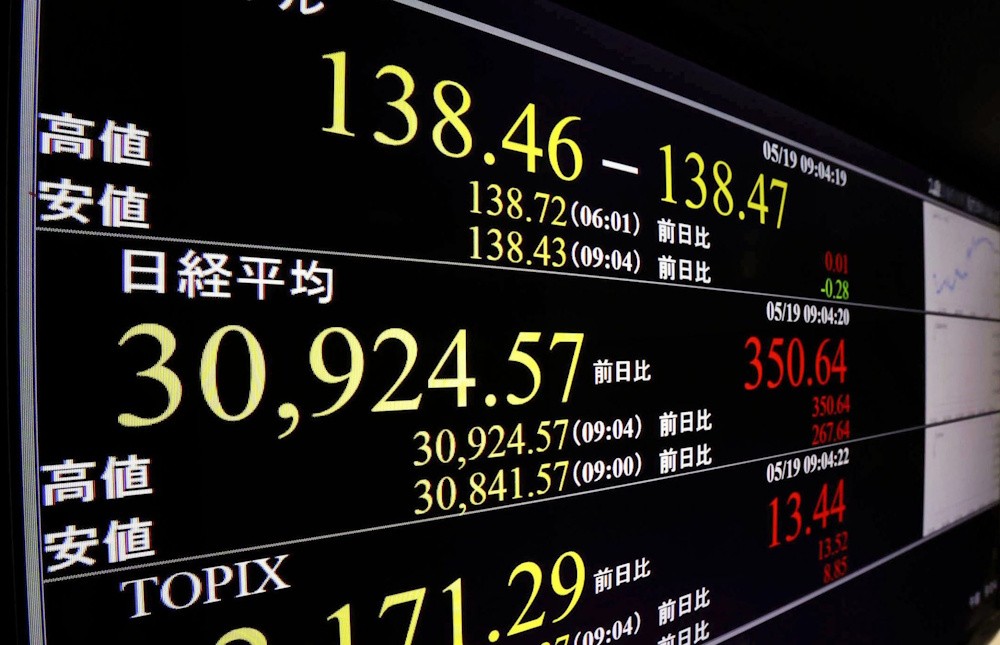
Japan’s Nikkei 225 stock index increased by 0.9%, whereas the broader Topix experienced a gain of 1.26%. The yen experienced a slight appreciation, reaching 153.43 against the U.S. dollar, while the yield on the benchmark 10-year government bonds decreased by 1 basis point to 2.119%. In January, imports experienced a decline of 2.5% year on year, contrasting with projections of a 3% increase and a notable 5.1% rise in the previous month. The impressive increase in outbound shipments marks a positive beginning to the new year, following a decline in Japan’s export growth to 3.1% last year, in contrast to the 6.2% rise observed in 2024. The Japanese economy experienced a modest expansion of 0.1% year on year in the fourth quarter, bolstered by private demand; however, net exports detracted 0.8 percentage points from overall growth. For the full year, GDP experienced a growth of 1.1% year on year, also impacted by net exports.
In the middle of 2025, Japanese shipments experienced a decline, primarily due to concerns surrounding U.S. tariffs. However, a recovery was observed toward the year’s end following the announcement of a trade agreement with the U.S., which resulted in a reduction of duties to 15%. On Tuesday, the United States unveiled projects totaling $36 billion, as reported. These initiatives encompass an oil export facility in Texas, an industrial diamonds plant in Georgia, and a natural gas power plant in Ohio, all to be funded by Japan in alignment with its $550 billion investment commitment to the U.S.
“Our significant trade agreement with Japan has just been initiated!” Japan is now officially, and financially, advancing with the initial tranche of investments under its $550 billion commitment to invest in the United States of America,” U.S. President Donald Trump stated in a post on Truth Social. Last week, Japan’s Economy Minister Ryosei Akazawa expressed optimism, as reported by public broadcaster NHK, regarding the finalization of initial projects prior to the meeting between Takaichi and Trump. Trump announced the meeting with Takaichi shortly before the February 8 Lower House election, during which Takaichi guided the ruling Liberal Democratic Party to a decisive victory.