
On Wednesday, South Korea’s Kospi outperformed its regional counterparts in Asia as investors evaluated Japan’s trade statistics and anticipated the U.S. Federal Reserve’s decision regarding interest rates. Market participants anticipate that the Federal Reserve will maintain interest rates in the range of 3.5% to 3.75% during the upcoming meeting on Wednesday in the United States. The Kospi experienced an increase of more than 5%, concluding at 5,925.03, whereas the small-cap Kosdaq rose by 2.41% to 1,164.38. A five-minute trading halt was initiated following a 5% surge in Kospi 200 futures, as indicated by an official announcement. On Wednesday, South Korean President Lee Jae Myung advocated for comprehensive reforms in the capital markets aimed at eradicating the “Korea discount” and establishing a “Korea premium.” This initiative focuses on addressing governance deficiencies, enhancing transparency, and correcting structural distortions, according to sources.
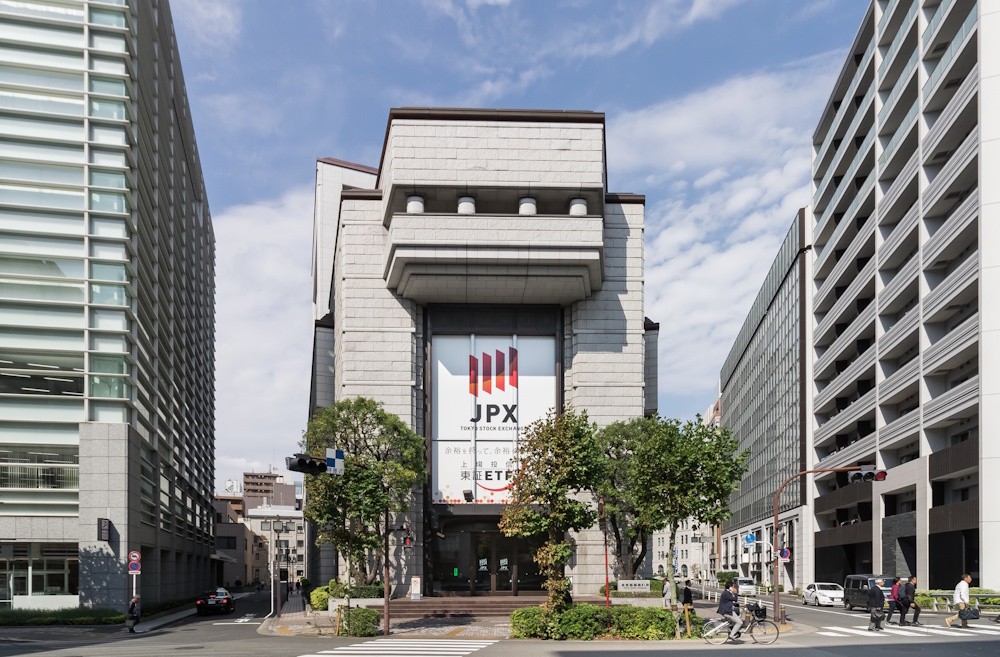
During a policy meeting, Lee Eog-weon, the chief of the Financial Services Commission, indicated that the government intends to leverage the existing market volatility as an opportunity to implement significant reforms and enhance foundational aspects. Proposed initiatives encompass expediting the removal of underperforming companies, enhancing regulations to prevent duplicate listings, and rejuvenating the Kosdaq and Konex markets. Major contributors to the index, Samsung Electronics and SK Hynix, experienced increases of 7.5% and nearly 9%, respectively. Samsung’s advancements occur concurrently with the approval of a strike by its unionized workforce in South Korea, intensifying a conflict regarding bonuses and heightening the potential for disruptions at the preeminent memory chip manufacturer globally. Japan’s Nikkei 225 experienced a notable increase of 2.87%, reaching 55,239.4, while the Topix rose by 2.49% to finish at 3,717.41, following the announcement that exports had risen by 4.2% year-over-year in February, surpassing expectations.
According to a survey, economists had anticipated an increase of 1.6%. Exports experienced a notable increase of 16.8% in the preceding month. Australia’s S&P/ASX 200 increased by 0.31%, concluding the trading day at 8,640.6. The Hong Kong Hang Seng index experienced an increase of 0.68%, whereas the CSI 300 saw a rise of 0.45%, reaching a level of 4,658.33. The ongoing conflict in the Middle East shows no signs of abating, maintaining a state of heightened concern among investors. A new series of assaults on the energy infrastructure of the United Arab Emirates has intensified concerns regarding potential extended supply interruptions in the context of the Iran conflict. The events transpired subsequent to a drone strike targeting the largest ultra-sour gas development globally, a fire occurring at the Fujairah Oil Industry Zone in the UAE, and damage inflicted upon a tanker in proximity to the strategically significant Strait of Hormuz.
U.S. stock futures hovered around the neutral point in anticipation of the Federal Reserve’s policy decision. Futures associated with the Dow Jones Industrial Average experienced a decline of 37 points, representing a decrease of 0.07%. S&P 500 futures decreased by 0.07%, whereas Nasdaq 100 futures declined by 0.02%. Overnight in the U.S., the S&P 500 experienced an increase as US Market capitalized on the momentum observed in the prior session, influenced by developments in the Iran war. The broad market index concluded the trading session with an increase of 0.25%, settling at 6,716.09, while the Nasdaq Composite experienced a rise of 0.47%, closing at 22,479.53. The Dow Jones Industrial Average increased by 46.85 points, representing a 0.1% rise, concluding at 46,993.26.