
Asia-Pacific markets experienced a general decline on Monday as investors assessed the implications of heightened geopolitical tensions. This followed U.S. President Donald Trump’s admonition to Iran to “get moving, FAST,” which has sparked concerns regarding possible escalations in the Middle East and the potential for disruptions to global oil supplies. In a recent post on Truth Social, Trump stated that “the Clock is Ticking” for Iran and cautioned that there “won’t be anything left” if prompt action is not taken, emphasizing that “TIME IS OF THE ESSENCE!” He refrained from detailing the measures he expected Iran to undertake or the potential repercussions that might ensue. Oil prices reduced their earlier increases. International benchmark Brent crude futures for July increased by 0.79%, trading at $110.12 per barrel. U.S. West Texas Intermediate futures for June increased by 1.17%, reaching a price of $106.65 per barrel.
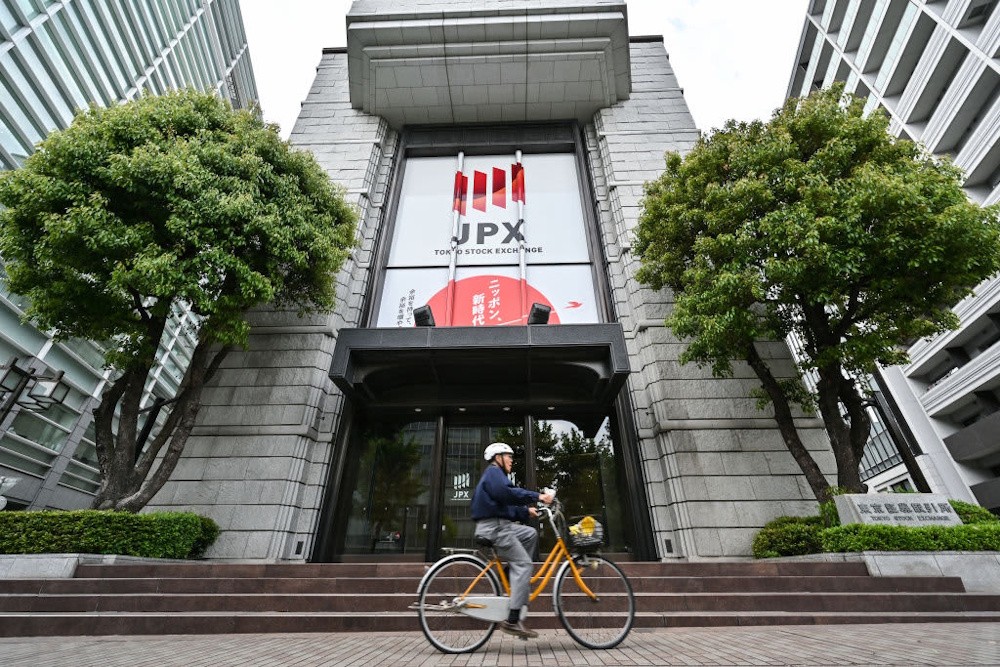
In Australia, the S&P/ASX 200 concluded Monday’s session with a decline of 1.45%, settling at 8,505.30. Japan’s Nikkei 225 declined by 0.97%, settling at 60,815.95, whereas the Topix also fell by 0.97%, closing at 3,826.51. South Korea’s Kospi increased by 0.31% to reach 7,516.04, recovering from initial losses earlier in the session, whereas the small-cap Kosdaq declined by 1.66% to 1,111.09. Yields on the Japanese 10-year government bond increased by more than 9 basis points to 2.793%, continuing the selloff driven by a rise in global bond yields amid escalating inflation concerns. In the final hour of afternoon trading, Hong Kong’s Hang Seng index experienced a decline of 1.22%, whereas the mainland CSI 300 registered a decrease of 0.54%, settling at 4,833.52. Taiwan’s Taiex experienced a decrease of 0.68%, settling at 40,891.82. Tensions between Washington and Tehran persist at a heightened level, even in light of a tenuous ceasefire established in early April.
The United States has maintained its blockade of Iranian ports, whereas Iran has persisted in keeping the Strait of Hormuz closed since the onset of the conflict. U.S. stock futures exhibited minimal variation after a week of record highs, as market participants anticipate quarterly earnings reports from Nvidia and prominent U.S. retail companies. Futures for the Dow Jones Industrial Average declined by 100 points, representing a decrease of 0.2%. S&P 500 and Nasdaq-100 futures remained near the equilibrium point. Last week on Wall Street, the major indices concluded lower on Friday, impacted by declines in technology stocks and an increase in U.S. Treasury yields following a summit between President Donald Trump and Chinese President Xi Jinping that resulted in no significant policy advancements, leaving traders apprehensive.
The S&P 500 declined by 1.24%, closing at 7,408.50, whereas the Nasdaq Composite experienced a decrease of 1.54%, finishing at 26,225.14. The Dow Jones Industrial Average experienced a decline of 537.29 points, representing a decrease of 1.07%, ultimately closing at 49,526.17. Investors realized gains in the technology sector following a period of significant appreciation. Intel experienced a decline of over 6%, while Advanced Micro Devices and Micron Technology saw reductions of 5.7% and 6.6%, respectively. Nvidia experienced a decline of 4.4%, whereas Cerebras Systems, which saw a remarkable increase of 68% on Thursday following its debut on the Nasdaq, subsequently lost 10%.
